
Public Schools Report Public Schools Report


2025/2026 IMPACT


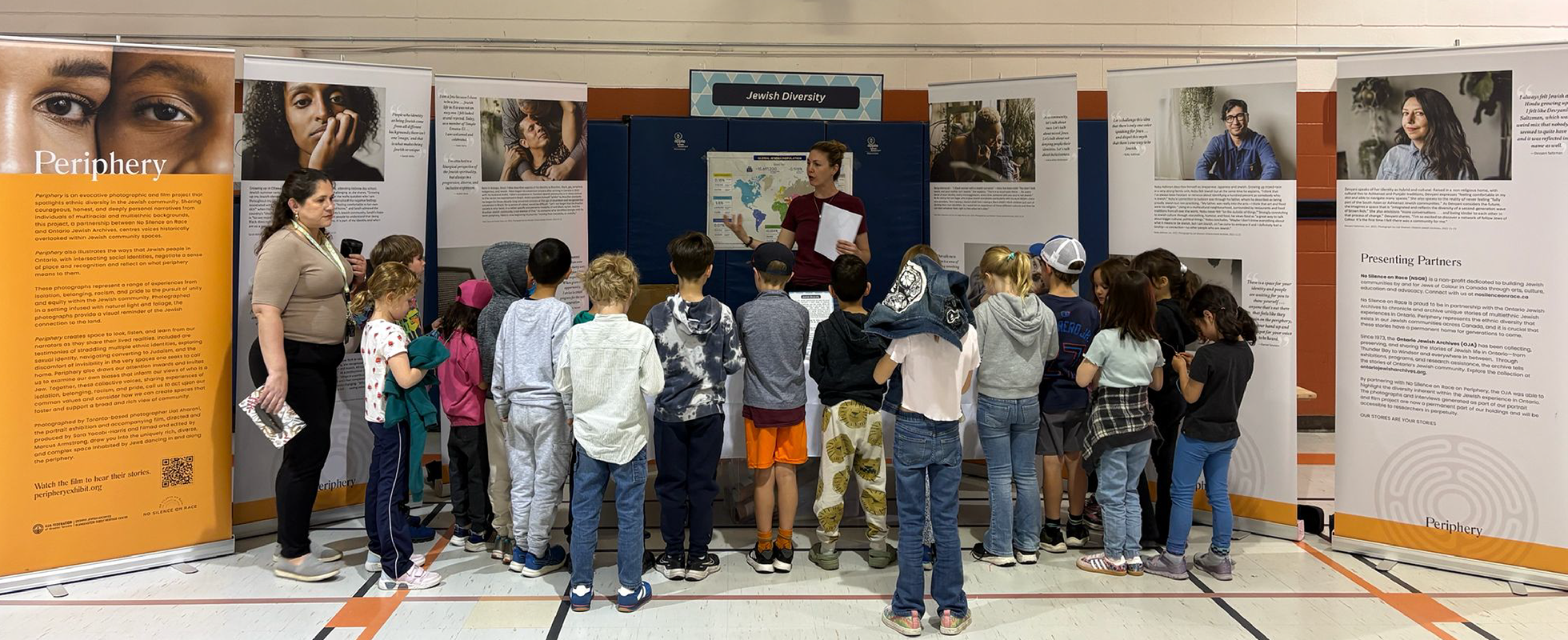
students learning about jewish diversity

Safety. Visibility. Pride.


What every Jewish student deserves—in any school they attend.


Approximately two-thirds of Jewish students in the GTA attend public school. UJA Federation of Greater Toronto is committed to making those schools safer for Jewish students and to ensuring every one of them can express their Jewish identity with confidence and pride.


FOREWORD


A Letter from UJA


A note on UJA’s public school strategy: what families told us they needed and what was built in response.

“Making public schools safe for Jewish students, and strengthening the Jewish identity of students within them — these are not separate goals. Each goal strengthens the other.”


The landscape for Jewish families in public schools has changed. Antisemitism is more visible, more brazen, and harder to ignore. But that is not the whole story. Since October 7th, many parents have been asking different questions about what it means for their children to be Jewish in public school—not only about safety, but about connection, representation, and belonging.

In spring 2025, we sat down with parents, students, and Jewish staff in public schools (and in non-Jewish private schools) and asked them what support they were looking for—in their schools and beyond. What they told us confirmed what the moment demanded: a coordinated, community-wide effort to make public schools safer for Jewish students, and to ensure that being in the public system never means setting aside who you are.

And so we mobilized, developing a plan built around two foundational goals:

1. Making public schools safer for Jewish students.
2. Strengthening the Jewish identity of students in public schools.

These are not separate goals. Each goal strengthens the other.

That work takes many forms. It means taking educators—Jewish and non-Jewish alike—to Israel, because someone who has been there returns with an understanding of Jewish peoplehood and connection that no classroom session can replicate.

It means helping teachers better understand Jewish identity, history, and antisemitism. It means building classroom resources and tools that remain in schools long after a single program ends. It means funding student groups where Jewish life is visible and present. And it means showing up in school boards, at Queen’s Park, and in the courts when institutions fail Jewish students and families.

None of this work is abstract. Every initiative described here was built in direct response to what families and students told us they needed.

That response moves through an ecosystem, in which UJA’s role is to convene, co-ordinate, and invest—so that what each organization does extends further than it could alone. This includes the Centre for Israel and Jewish Affairs (CIJA), which pursues policy change, legal accountability, and legislative reform on a national level. The Toronto Holocaust Museum (THM) facilitates teacher training based on best practices in countering antisemitism and Holocaust education, while also welcoming thousands of students from public schools across the GTA to its state-of-the-art facility. Ontario Jewish Archives (OJA) develops Jewish heritage resources used in classrooms around the province. Allied organizations working in tandem extend the reach further still.

This is one of the clearest expressions of our commitment to Jewish students, families, and educators in public schools.

Here is what that looks like.

READ MORE ->


Jewish education tools


30,000

Students reached through Jewish Heritage Month

15,000

Students reached through Hanukkah programming

1,500

Schools provided with Jewish resources

870

Educators trained in Jewish work


The Strategy

GOAL 1

Make public schools safer spaces for Jewish students.

1.1

Educate public school educators about Judaism, Jewish history and heritage, Israel, and antisemitism.


Educators shape school culture every day. Helping educators of all backgrounds better understand Jewish identity and antisemitism creates safer, more informed environments for Jewish students.


1.2

Educate non-Jewish students about Judaism, Jewish history and heritage, Israel, and antisemitism


Reducing ignorance begins with exposure, learning, and conversation—helping students encounter Jewish life and history in meaningful ways.


1.3

Support Jewish students, their families, and Jewish educators facing antisemitism.


When incidents occur, families need more than reassurance. They need advocacy, guidance, and accountability — and the practical capacity to act. UJA—working alongside CIJA and community organizations—provides that.

GOAL 2

Strengthening the Identity of Jewish students in Public School

2.1

Strengthen Jewish programming for public school students outside of school.


Jewish identity is built across classrooms, camps, community spaces, and experiences that help students feel connected to Jewish life beyond the school day.


2.2

Support Jewish programming within public schools and boards.


Celebrating Jewish life inside schools—through clubs, events, and everyday visibility—helps students build Jewish identity in the places they spend most of their time.


2.3

Increase Jewish resources in public schools.


Classroom resources and tools bring Jewish learning into schools—ensuring Jewish history, culture, and identity are present for every student.


2.4

Support Jewish staff in public schools.


Supporting Jewish educators and staff creates a school community where Jewish identity is not just taught but visible and appreciated—and where Jewish students are less likely to feel alone in it.


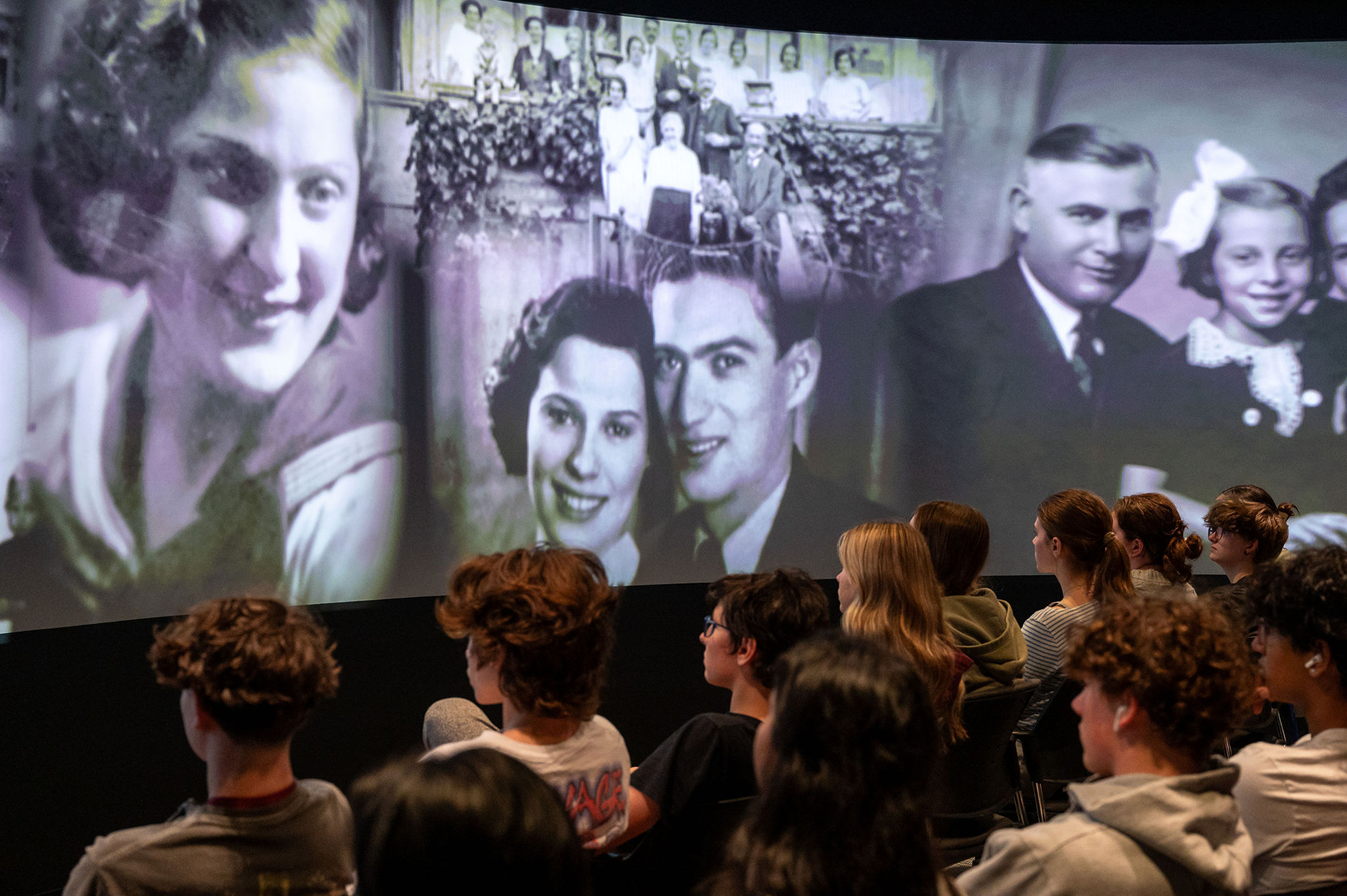
Public school students visit the Toronto Holocaust Museum, 2024. Photos by Liora Kogan for the Toronto Holocaust Museum

Students at the Toronto Holocaust Museum

UJA’S Work Operates Across Five Interconnected Fronts


No single initiative can change what it feels like to be a Jewish student in public school. Real change happens when support exists throughout the school experience—in classrooms, student life, learning resources, school leadership, and the communities that form around them.


01

EDUCATE
EDUCATORS

Training & PD

Teachers, staff, and administrators are trained on Jewish identity, antisemitism, Holocaust education, and Israel—because students are safer when the adults around them understand what they are seeing.


In practice: Israel Educator Trips, in partnership with JFC-UIA (Jewish Federations of Canada-United Israel Appeal), The Jewish Agency for Israel, and the Azrieli Foundation, monthly educator convenings, teacher-candidate training, and professional development programs. The latter includes education on contemporary antisemitism and antizionism, developed in collaboration with THM, OJA, CIJA, and allied organizations.

02

REACH
STUDENTS

Programs

Programs, exhibits, and museum learning experiences help students better understand Jewish life, history, and antisemitism.


In practice: ShinShinim visits, peer-led presentations, THM learning, and OJA heritage exhibits and tours.

03

STRENGTHEN
IDENTITY

Community

Jewish student groups, heritage programming, and community partnerships help students experience Jewish life openly and confidently.


In practice: Jewish Student Union (JSU) and Jewish Student Alliance (JSA) partnerships, Hanukkah and Jewish Heritage Month programming, holiday packages, and March Break programs.

04

EQUIP
SCHOOLS

Curriculum

Lesson plans, learning units, and classroom resources and tools help Jewish learning remain part of school life over time.


In practice: Teacher Resource Database, PJ Library lesson plans, and Jewish identity learning units across K–12.

05

SUPPORT
FAMILIES

Advocacy

Guidance, advocacy, and rapid-response support help students, parents, educators, and school communities navigate antisemitism when it occurs.


In practice: CIJA policy and legal work (including the Legal Task Force), antisemitism reporting and case management, learning opportunities for parents, and support for parent mobilization groups.


THE PREMISE


Safety doesn’t begin at the moment of crisis. It begins
long before that — with education.


A Jewish student is safer when teachers recognize and understand their identity; when antisemitism is addressed rather than overlooked; when Jewish history is taught rather than sidestepped; and when staff, students, and families know they are not navigating a hostile climate alone.

That is why UJA’s work in public schools goes beyond moments of reaction and public statements. It begins with educators, learning resources, and deep cultural change — the long-term work of building school environments where Jewish students feel understood, supported, and safe to be who they are.


THE WORK AT SCALE


What This Work Looks Like Across the Public School System


The reach of this work—for students, educators, schools, and communities—is reflected in what follows.

SCHOOL LIFE

30,000 students across 50 schools
participated in Jewish Heritage Month programming across seven school boards.

15,000 students across five school boards
participated in Hanukkah programming across 30 schools.

40 Jewish student groups
partnered with and were supported through JSU and JSA programming.

Seven school boards
supported in staff holiday programming for both Hanukkah and Jewish Heritage Month.

407 students
trained in Campus Ready, a program that helps Jewish students to grapple with the challenge of antizionism on campus.

EDUCATOR LEARNING*

500 educators across 10 school boards
reached through the THM and its professional development programming.

1,000 teachers
reached through OJA resources.

1,340 educators across 7 school boards*
trained in Jewish identity, antisemitism, Holocaust education, and Israel education.

90 future educators
reached through teacher-candidate training at two universities before they enter the classroom.

75 educators each month
convene through the Jewish Educators of the GTA (JEGTA) across five school boards.

127 educators and administrators
participated in immersive Israel Educator Trips, in partnership with JFC-UIA, the Azrieli Foundation, and The Jewish Agency for Israel—including 107 from the GTA.

*Breakdown

LEARNING RESOURCES &
CLASSROOM TOOLS

23,000 students
engaged with the educational programs at THM.

New THM classroom resources
including Unpacking Canadian Antisemitism, a Ministry of Education-funded documentary and classroom resource developed to support Ontario’s updated Grade 10 history curriculum.

6,000 students
reached by ShinShinim through public school programs.

350 non-Jewish students
reached through nine Student-to-Student (STS) presentations—peer-led sessions in which Jewish students share their identity and history with other students.

1,500 schools
received Jewish educational resources for classrooms and libraries.

400+ teachers
are now using Jewish identity learning units across grades 1–2, 3–4, 9, and 12.

7,000+ PJ Library books
delivered into school libraries, 400 holiday resource packages distributed per holiday, and 400 Jewish Heritage Month resource kits distributed.

12 lesson plans
developed to pair with PJ Library books, giving educators tools to build on what students are reading.

Jewish Heritage Month digital guide
is a planning and classroom resource for educators covering the month’s themes, programming ideas, and community events. Released March 2026.

OJA educator resources
Currently in development; 3,000 teachers already engaging with existing online resources.

Jewish Ed portal
an online hub offering resources for Ontario educators on antisemitism, Jewish identity and heritage, the Holocaust, and Israel education. Launched in 2026.

York Region Jewish Heritage Month Panel Exhibit
is a traveling panel exhibition of Jewish history in York Region, shared across schools and libraries.

ADVOCACY, POLICY, AND
COMMUNITY SUPPORT

Bill 33 Passed
with CIJA’s recommendations on school board accountability incorporated into legislation.

Landmark legal case
won against the Toronto District School Board (TDSB), strengthening school board accountability to parents.

Advocacy Day at Queen’s Park
advanced education priorities directly with the offices of the Premier and relevant ministers, alongside teachers and parents.

72 Ontario school boards
is the scope of UJA’s provincial policy advocacy.

CIJA’s Legal Task Force
is pursuing active legal cases involving Ontario school boards (K–12).

40 parents participated
in UJA public school parent educational initiatives.

Antisemitism reporting portal
involves case management for students, parents, and Jewish educators navigating incidents inside schools.

Jewish Families in TDSB (JFIT)
is a grassroots parent peer-to-peer network launching to support Jewish families across TDSB public schools.

Jewish Families Connected (YRDSB) is a grassroots parent peer-to-peer network launching to support Jewish families across York Region public schools.

Rapid-response capacity
a contact list of trained community staff, advocates, and legal resources ready to activate when an antisemitism incident is reported.


Children celebrating in front of a globe with Israeli flags


THE PRACTICE


What all of this looks like inside a real school year:


The strategy comes to life in classrooms, clubs, staff rooms, assemblies, libraries, and conversations between students, educators, and families. Across the public-school system, support became more visible, more embedded, and more connected to the everyday experience of Jewish students.


VISIBILITY


Jewish life became more visible inside schools


When Jewish identity is recognized openly, students are more likely to feel connected and proud.


Jewish Heritage Month programming, student groups, ShinShinim visits, and school-wide celebrations brought Jewish history, culture, and identity into classrooms and school communities across the GTA.

UNDERSTANDING


Jewish students need adults who understand what they’re seeing. 


School culture is shaped by the people inside it every day. Educator training, professional development, classroom learning resources, and museum and heritage programming helped deepen understanding of Jewish identity, antisemitism, Holocaust education, and Israel.


The most lasting changes are the ones that continue through classroom practice and learning tools that remain in use year after year. 

SUPPORT


Support that exists only in programming is not enough. It has to be there the moment something goes wrong.


Families navigating antisemitism in schools need more than reassurance alone.


Advocacy, case management, legal support, educator networks, and parent organizing — coordinated across UJA’s network — meant that students, families, and educators did not face those moments on their own.


Affirming Jewish Identity
in Public Schools


Lasting change in schools does not happen through a single assembly, event, or presentation. It happens when learning becomes part of classrooms, educator practice, and school culture over time.


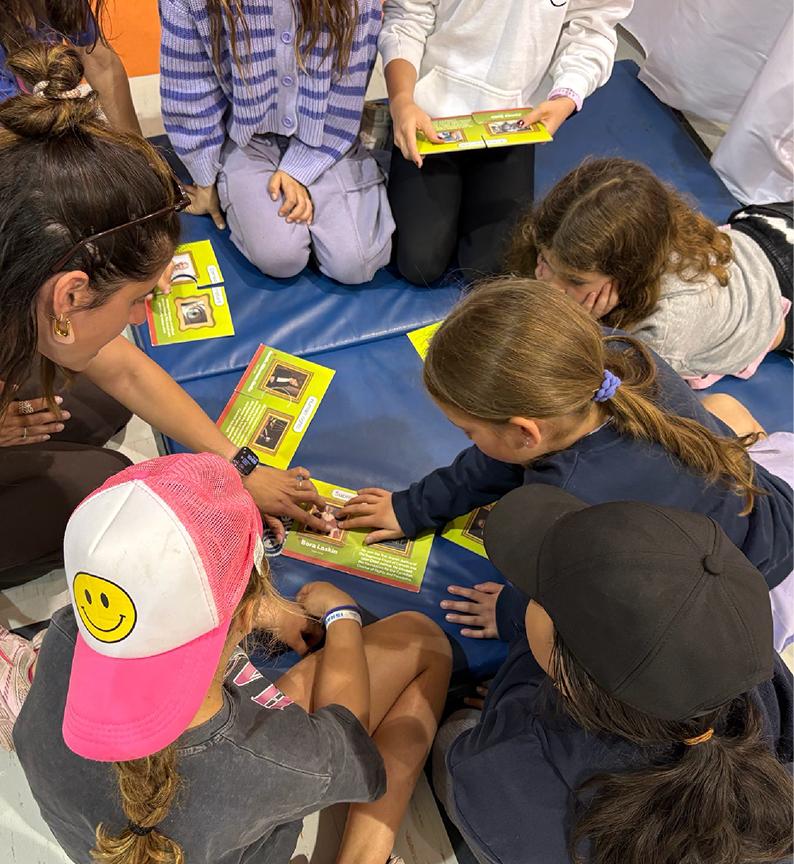
Students playing a game

EVENT


A program, assembly, or
visit opens the door.


RESOURCE


A lesson, unit, or guide captures
what the moment introduced.


TRAINING


Educators learn how to teach it
with confidence.


PRACTICE


The learning continues across
classrooms, grades, and
school years.


CULTURE


Jewish identity becomes a visible
and understood part of school life.


VOICES


What the Work Sounds Like


Female Student icon

STUDENT

Grade 11 Student, TDSB


“My Jewish culture club gives me a space where I feel comfortable being myself and proud of my Jewish identity. Especially at a time when antisemitism has increased, having a space to connect with my culture and community feels more important than ever.”

Male Student icon

STUDENT

Grade 10 Student, TDSB


“At the THM visit I was greatly able to connect to my Jewish ancestry, which I would recommend to others as it is the best way to learn about your family’s past. This was an incredible, eye-opening experience that helped me connect with my Jewish heritage.”

Parent Icon

PARENT

TDSB Parent


“We received prompt, engaged and substantive support from UJA when we sought a learning resource guide for our K–8 public school.”

“UJA Toronto sprang into action to create an incredible resource for Ontario, and provided timely and thoughtful engagement as we were planning our Jewish Heritage Month assembly.

We were provided with help from ShinShinim, archival resources, and financial support to enable a day of celebrating Jewish joy and heritage within the TDSB.

Many students told us and their parents it was the best day they ever had at school — and the first time they had celebrated Jewish Heritage at a TDSB assembly. Our children and family were immensely proud of the impact we had on the broader school community.”


READ FULL QUOTE ->

Teacher Icon

EDUCATOR

Activist and Artist, TDSB


“I grew up in a small industrial town in the Niagara region. My parents never pressured me to follow my Italian/Irish Catholic roots, so I marched to the beat of my own drum from a young age. This support allowed me to use my artistic talents to bring people together through art and make others feel visible and valued."

“I was deeply affected by the events of October 7th and the global antisemitism that followed. As an educator, I could not sit by as Jewish students were denied access to their campuses—a denial of the universal human right to education.

Sadly, antisemitism has always been lingering in plain sight. But watching the blatant attacks on the Jewish community from October 8th and onward compelled me to speak up and do something. When the opportunity to travel to Israel with UJA and 30 incredibly passionate and knowledgeable educators presented itself, I had to go.

Stronger Together felt like the perfect way for me to seek clarity during these misguided times. I decided to walk the walk, talk the talk, live the experience, and lead with my new findings.

I had always heard that Israelis are resilient, intellectual, straight-talking, and community-embracing. The people of Israel did not disappoint. The highlight for me was hearing perspectives from all sorts of different people, including journalists, October 7th survivors, families of those who died, and artists. 

My trip to Israel was nothing short of life-altering. It not only inspired me as an educator and activist, but it also inspired my creative soul. I have returned to Canada with 30 new friends who have been an outstanding support crew, and I am already making plans to return one day.”


READ FULL QUOTE ->


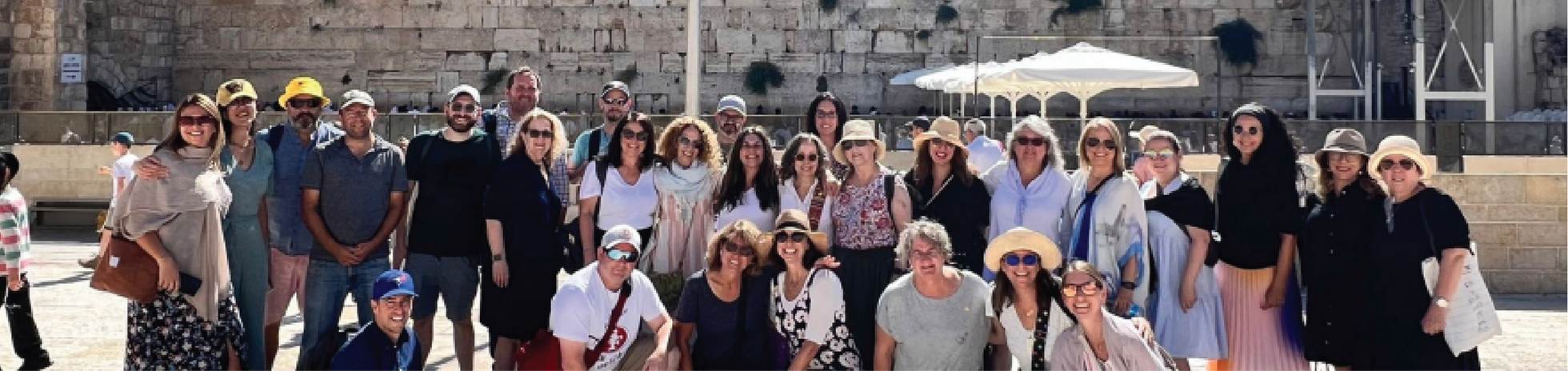
Educators in Jerusalem

LOOKING AHEAD


The Work Isn’t Over.


The needs facing Jewish students in public schools did not begin this year, and they will not end with it. The work ahead is about deepening what has been built—strengthening the relationships, resources, and community networks that help Jewish students feel safer and prouder in the schools they attend.


01

Continue educating educators.


UJA will continue investing in educators through upcoming Israel Educator Trips, ongoing professional development, and expanded classroom resources and tools that help educators understand Judaism, Jewish history and heritage, Israel, and antisemitism.

02

Pursue policy and legal action where harm is structural.


UJA and CIJA will continue advancing system-level change through government advocacy, legal action, and school board accountability efforts where Jewish students and families are being failed.

03

Strengthen support for families.


UJA will continue building parent and family support through peer networks, expanded case management, rapid response capacity, and parent-focused learning opportunities.

04

Deepen Jewish identity programming inside schools.


Jewish student groups, ShinShinim visits, holiday programming, and Jewish Heritage Month initiatives will continue helping Jewish students experience Jewish life openly and with pride within their school communities.

05

Build on what is already working.


The programs, trained educators, community partnerships, and classroom resources already reaching students, schools, and families will continue to grow.

None of this happens without the community building it together.


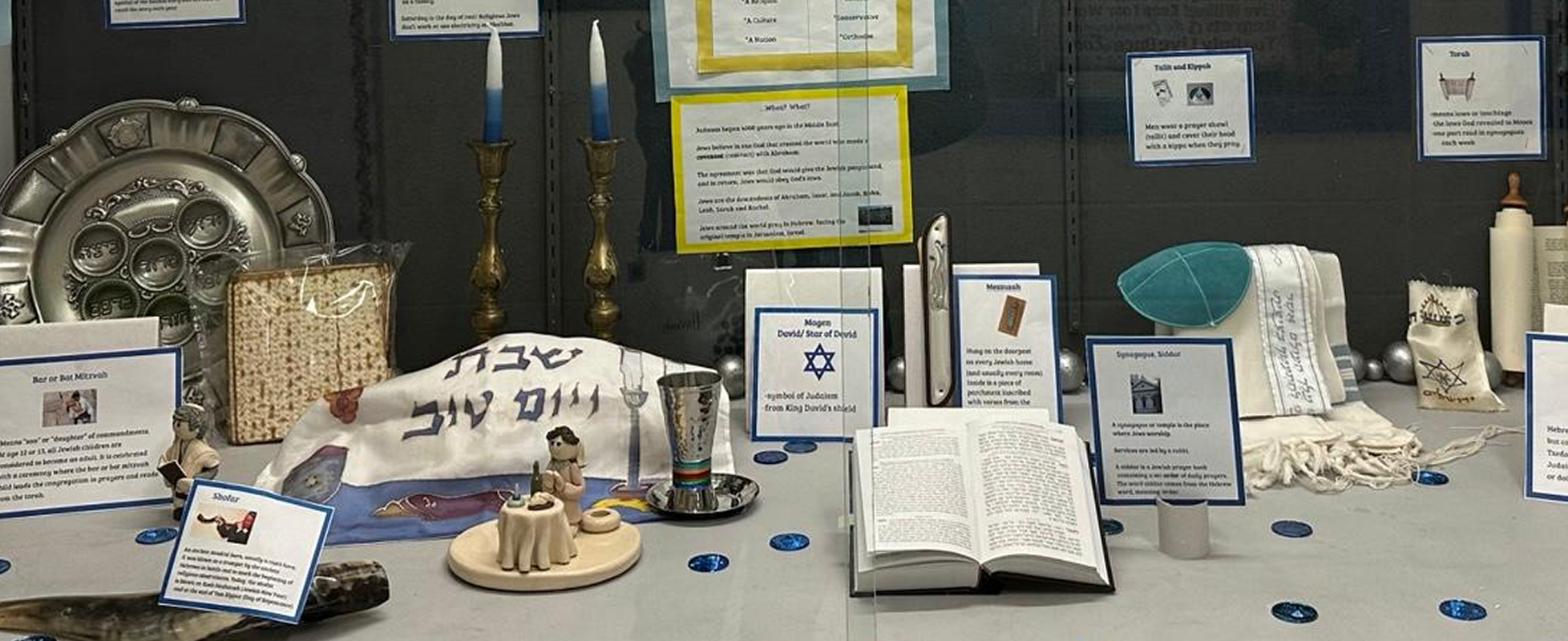
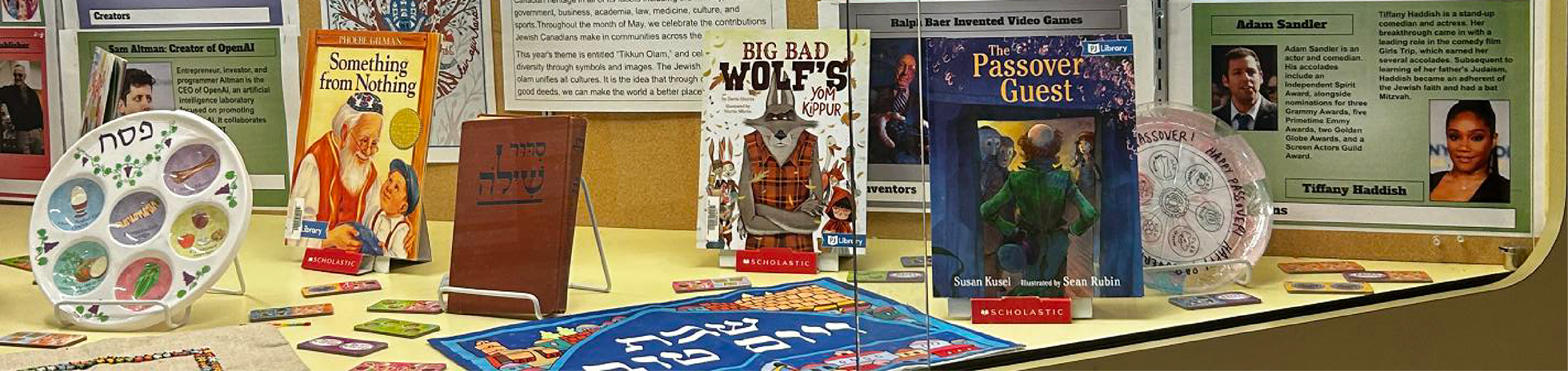
A display case featuring various Jewish ritual items, including a Seder plate, menorah, Torah, and Shofar, with informational labels.

Safety. Visibility. Pride.

For every Jewish student, in every public school they attend.


This is what UJA’s communal response looks like in practice: co-ordinated work across classrooms, student groups, school boards, learning resources, family support, legal advocacy, and Jewish communal life itself.


The goal is not only to respond when harm occurs, but to build school environments where Jewish students can be openly and proudly Jewish—as a matter of course.