

As we approach Rosh Hashanah, our Torah reminds us that striving to become the best version of ourselves isn’t merely one more task to fit into our busy lives. It isn’t an optimization to be managed, like tracking our daily steps. Rather, it’s what it means to choose life itself—because life without growth isn’t the Jewish way.
Neuroscience confirms something counter-intuitive: motivation often emerges after we act, rather than before we do so. But long prior to modern research on dopamine, neurotransmitters, and how the brain’s reward system responds to behaviour, Jewish tradition knew the mechanics of personal transformation.
While there are many examples over thousands of years, the idea was best captured by a simple phrase in the Sefer HaChinuch (Book of Education) written in 13th-century Spain: “The hearts are drawn after the actions.”*
In other words, waiting to “feel ready” is what keeps us exactly where we are, standing on the dock. But we all know that we can’t really know what it’s like until we’ve stepped forward and jumped in the water.
This idea has direct implications for each of us during the High Holy Days, as Rabbi Joseph Telushkin notes:
“Jewish tradition encourages us to act with particular piety, kindness, and generosity during the Aseret Y’mei Teshuva (the Ten Days of Repentance), the period of time starting with Rosh Hashanah, and concluding with Yom Kippur. Many Jews presume that God will reward them in the year ahead if they act righteously during this period. Does such a belief make sense, the notion that if we behave well during these ten days, but do not continue to do so after Yom Kippur, we will fool God into believing that we are worthy of divine kindness?
“Rabbi David Woznica speculates that the demands made of Jews during the Aseret Y’mei Teshuva have less to do with impressing God than with teaching people how good they can be. Thus, if you were to ask people to make permanent changes in their lives—never again speak a word of lashon hara (evil speech or gossip); never again ignore a beggar; always be patient with your family and with those around you; whenever you pray, keep your mind fully focused on the prayer’s meaning—most people…would give up in advance, and not even make the effort.
“But if we ask people—including ourselves—to act this way for just ten days, many will make an effort. In the process, we will not only do much good, but we will also learn that we can be much better people than we thought possible. And such a realization can bring an improvement in our behaviour that will last well beyond the ten days.”**
Whether as individuals or as a community, our very identity is shaped by our everyday actions. My hope is that each of us will see these ten powerful days as a personal challenge. One that inspires us to embrace our mitzvot and act in ways that uplift those around us—and in turn give ourselves the gift of seeing who we can become in the year ahead.
Shana Tova U’Metuka,
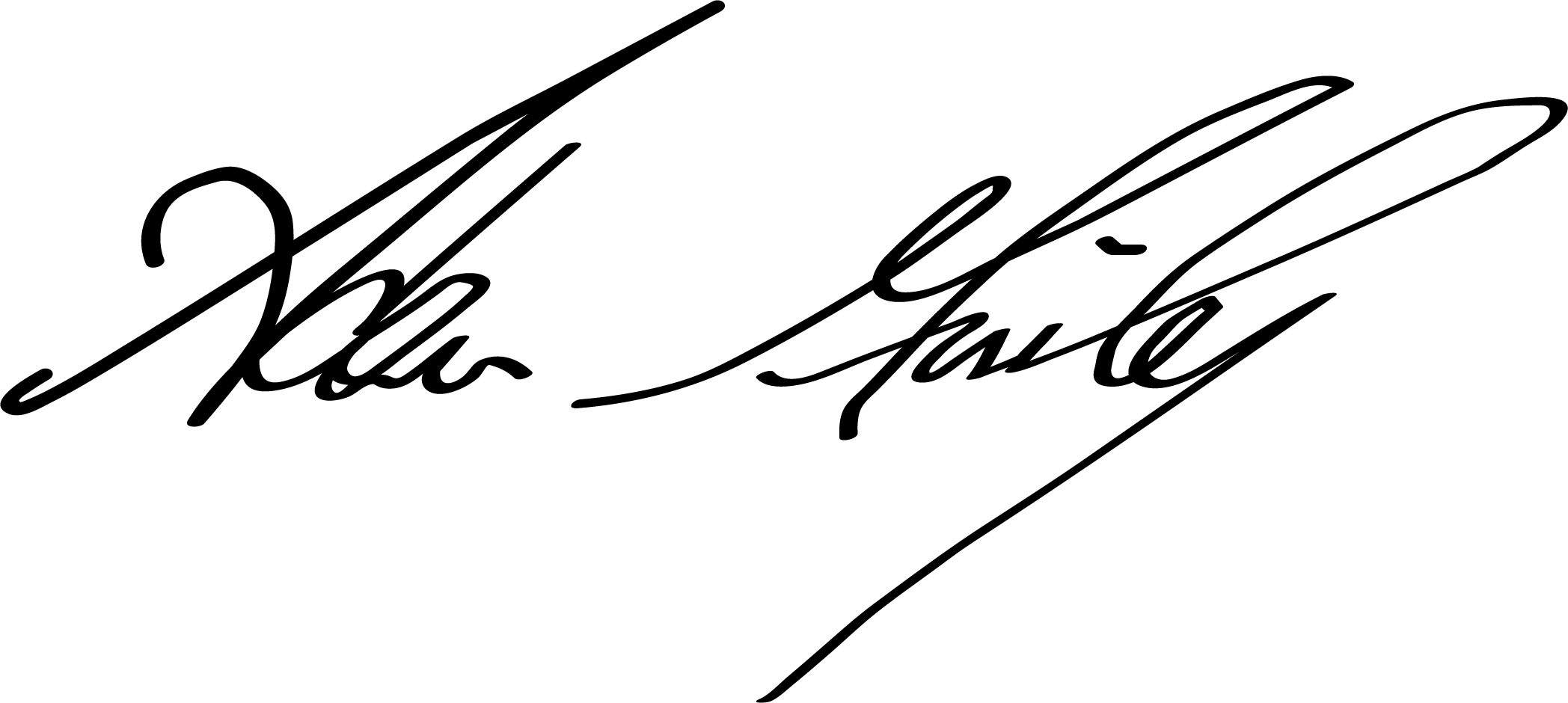
Adam Minsky
President & CEO
UJA Federation of Greater Toronto
*Sefaria.org (Sefer HaChinuch 16)
**A Code of Jewish Ethics, Volume 1: You Shall Be Holy, Rabbi Joseph Telushkin, p. 190.